
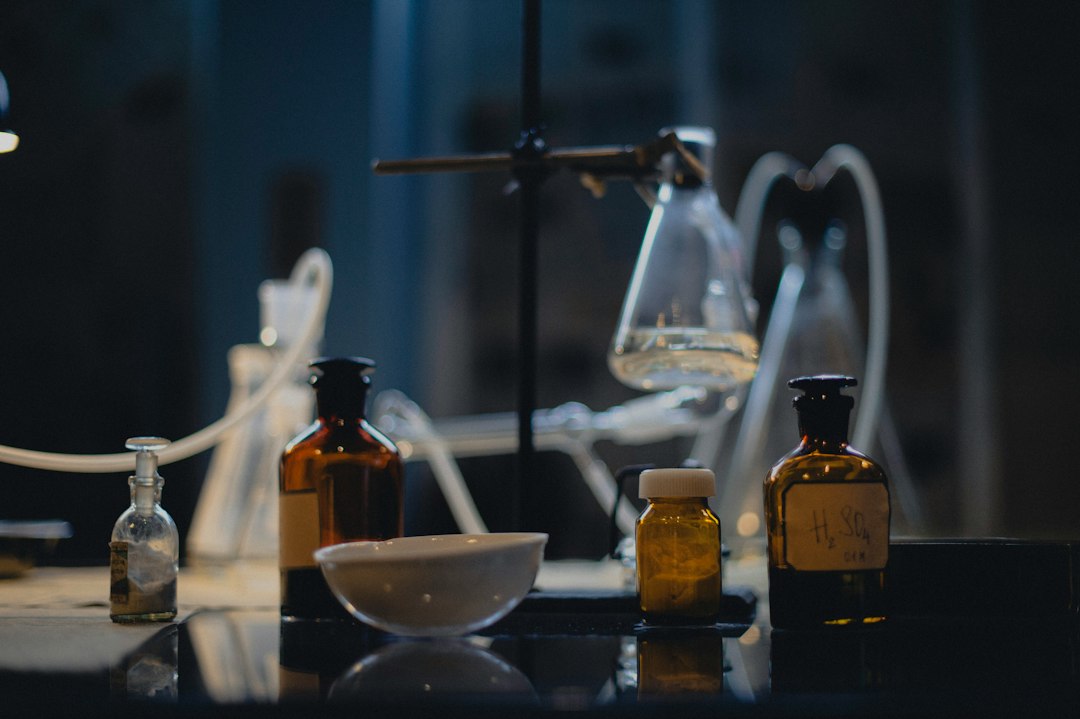
Research involving emerging chemical compounds requires a structured approach that places identification, documentation, analytical quality, and laboratory safety at the center of every activity. N-Ethylpentedrone (NEP) is a research compound that requires particularly careful consideration because reliable characterization is essential when working with substances whose analytical profiles may vary across samples. A professional laboratory environment therefore depends on controlled procedures, suitable instrumentation, and clear records rather than assumptions based solely on product descriptions.
Contents
- Compound Identification and Documentation
- Analytical Characterization
- Sample Handling and Laboratory Controls
- Data Quality and Record Keeping
- Risk Assessment and Responsible Research
- Conclusion
Compound Identification and Documentation
The first stage of responsible laboratory research is establishing a clear identity for the material under examination. Researchers should maintain appropriate documentation describing the sample, source information, labeling, storage conditions, and intended analytical purpose. Accurate records help distinguish one research material from another and provide an audit trail throughout the laboratory process.
Documentation should also identify relevant safety information and handling requirements. Where available, researchers can consult institutional procedures, safety data documentation, and applicable regulatory guidance. Keeping these materials together improves consistency and supports informed decisions before analytical work begins.
Analytical Characterization
Analytical characterization is an important component of research involving unfamiliar or emerging compounds. Laboratories may use validated analytical techniques to investigate chemical identity, purity characteristics, molecular behavior, and potential impurities. The selected analytical approach should reflect the research objective and the capabilities of the laboratory.
Instrumental analysis can provide valuable information when interpreted by appropriately trained personnel. Results should be reviewed alongside reference data, validated methods, and instrument controls. Researchers should avoid treating a single analytical observation as conclusive evidence of identity or purity when additional confirmation is appropriate.
Sample Handling and Laboratory Controls
Controlled sample handling helps reduce contamination, exposure, and accidental mix-ups. Research personnel should follow established laboratory procedures for receiving, labeling, transferring, examining, and storing chemical materials. Containers should remain appropriately identified, and laboratory areas should be maintained in a condition that supports safe and traceable work.
Personal protective equipment should be selected according to the laboratory’s hazard assessment rather than relying on a generic approach. Appropriate engineering controls, ventilation, containment practices, and waste procedures should also be considered according to institutional requirements.
Data Quality and Record Keeping
Good research depends not only on laboratory instruments but also on the quality of the information surrounding each analysis. Researchers should record instrument conditions, sample identifiers, observations, deviations, and relevant quality-control information in accordance with established laboratory systems.
Consistent record keeping makes it easier to review unexpected findings and investigate discrepancies. It also supports reproducibility by allowing qualified researchers to understand how observations were obtained and interpreted.
Risk Assessment and Responsible Research
Because emerging compounds may have incomplete toxicological or pharmacological information, laboratories should avoid assuming that limited published information means low risk. A precautionary approach is appropriate when hazards are uncertain. Personnel should understand emergency procedures, exposure-response protocols, and applicable institutional requirements before handling research materials.
Responsible research also means maintaining clear boundaries between analytical investigation and any activity that falls outside approved laboratory procedures. Work should be performed only within the scope of relevant authorization, training, and safety controls.
Conclusion
Professional laboratory research involving N-Ethylpentedrone requires careful identification, controlled handling, reliable analytical practices, and comprehensive documentation. The strongest research environment is one where safety considerations and data integrity are treated as interconnected priorities. By following established laboratory systems and interpreting analytical findings cautiously, researchers can maintain a more consistent, transparent, and responsible approach to studying emerging chemical materials.
What You Need to Know
- N-Ethylpentedrone (NEP) is a research compound that requires careful consideration due to the variability of its analytical profiles across samples.
- The first stage of responsible laboratory research involves establishing a clear identity for the material and maintaining appropriate documentation of the sample and its characteristics.
- Controlled sample handling is crucial to minimize contamination and accidents, and established laboratory procedures must be followed for all aspects of chemical materials management.
- Laboratories should use validated analytical techniques to characterize emerging compounds, ensuring that results are interpreted by trained personnel and are supported by reference data.
- Good research quality relies on thorough record keeping, which enables reproducibility and facilitates the investigation of any unexpected findings or discrepancies.
- A precautionary approach should be adopted when dealing with emerging compounds like NEP due to potentially incomplete toxicological information and the need for clear boundaries in analytical work.
 Juan Mitchell